Table of Contents
- How AI Automation Is Transforming Small Businesses in 2026
- Introduction
- What Is AI Automation?
- Why AI Automation Matters for Small Businesses
- 1. Automating Customer Support
- 2. Improving Marketing Campaigns
- 3. Smarter Sales Management
- 4. Streamlining Administrative Tasks
- 5. Better Financial Management
- 6. Inventory and Supply Chain Optimization
- 7. Personalized Customer Experiences
- 8. Smarter Decision-Making Through Data Analytics
- 9. Enhancing Cybersecurity
- 10. Supporting Human Resources
- Industries Benefiting from AI Automation
- Challenges of AI Automation
- How to Implement AI Automation Successfully
- Future of AI Automation for Small Businesses
- Best Practices for Using AI Responsibly
- Conclusion
How AI Automation Is Transforming Small Businesses in 2026
Introduction
Artificial Intelligence (AI) is no longer a technology reserved for large enterprises with massive budgets. In 2026, AI automation has become more accessible and affordable than ever, enabling small businesses to streamline operations, improve customer experiences, and compete with larger organizations. From automating repetitive tasks to providing valuable business insights, AI is helping entrepreneurs save time, reduce costs, and make smarter decisions.
Whether you run an online store, a local service business, or a growing startup, AI-powered tools can simplify daily operations and unlock new growth opportunities. Businesses that embrace AI automation are better positioned to improve productivity, enhance customer satisfaction, and stay competitive in an increasingly digital marketplace.
In this article, we'll explore how AI automation is transforming small businesses in 2026, its key benefits, practical applications, and how you can successfully implement AI in your organization.
What Is AI Automation?
AI automation combines artificial intelligence with automation technologies to perform tasks that traditionally require human effort. Unlike basic automation, AI systems can analyze data, recognize patterns, make predictions, and continuously improve through machine learning.
Examples of AI automation include:
-
AI chatbots
-
Automated customer support
-
Smart email responses
-
Sales forecasting
-
Inventory management
-
Marketing automation
-
Document processing
-
AI-powered analytics
These solutions help businesses work more efficiently while reducing manual effort.
Why AI Automation Matters for Small Businesses
Small businesses often operate with limited budgets, staff, and resources. AI automation helps overcome these challenges by increasing efficiency and allowing teams to focus on strategic activities.
Benefits include:
-
Reduced operational costs
-
Faster business processes
-
Improved customer service
-
Better decision-making
-
Increased productivity
-
Enhanced employee efficiency
-
Greater business scalability
AI enables small businesses to accomplish more without significantly increasing expenses.
1. Automating Customer Support
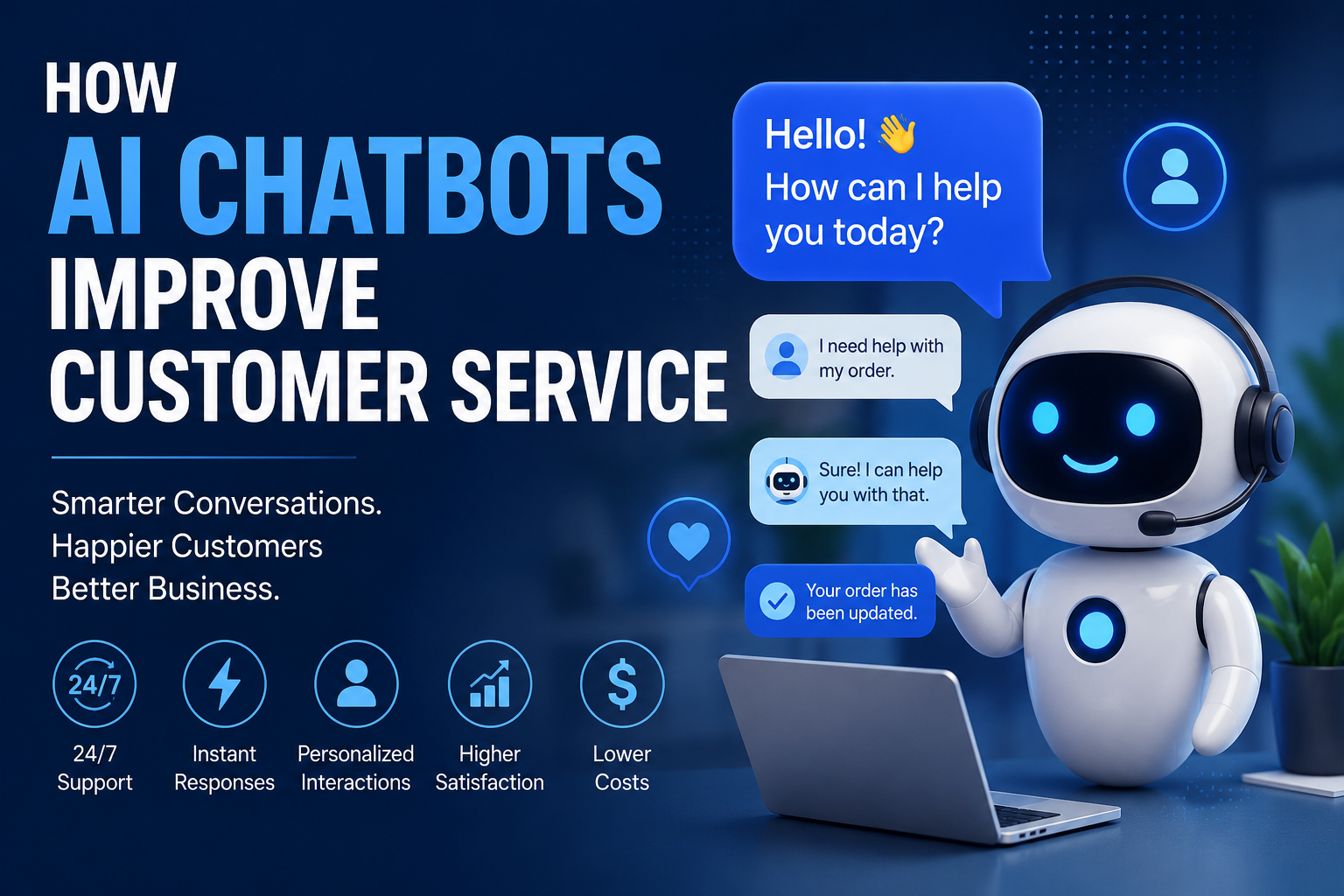
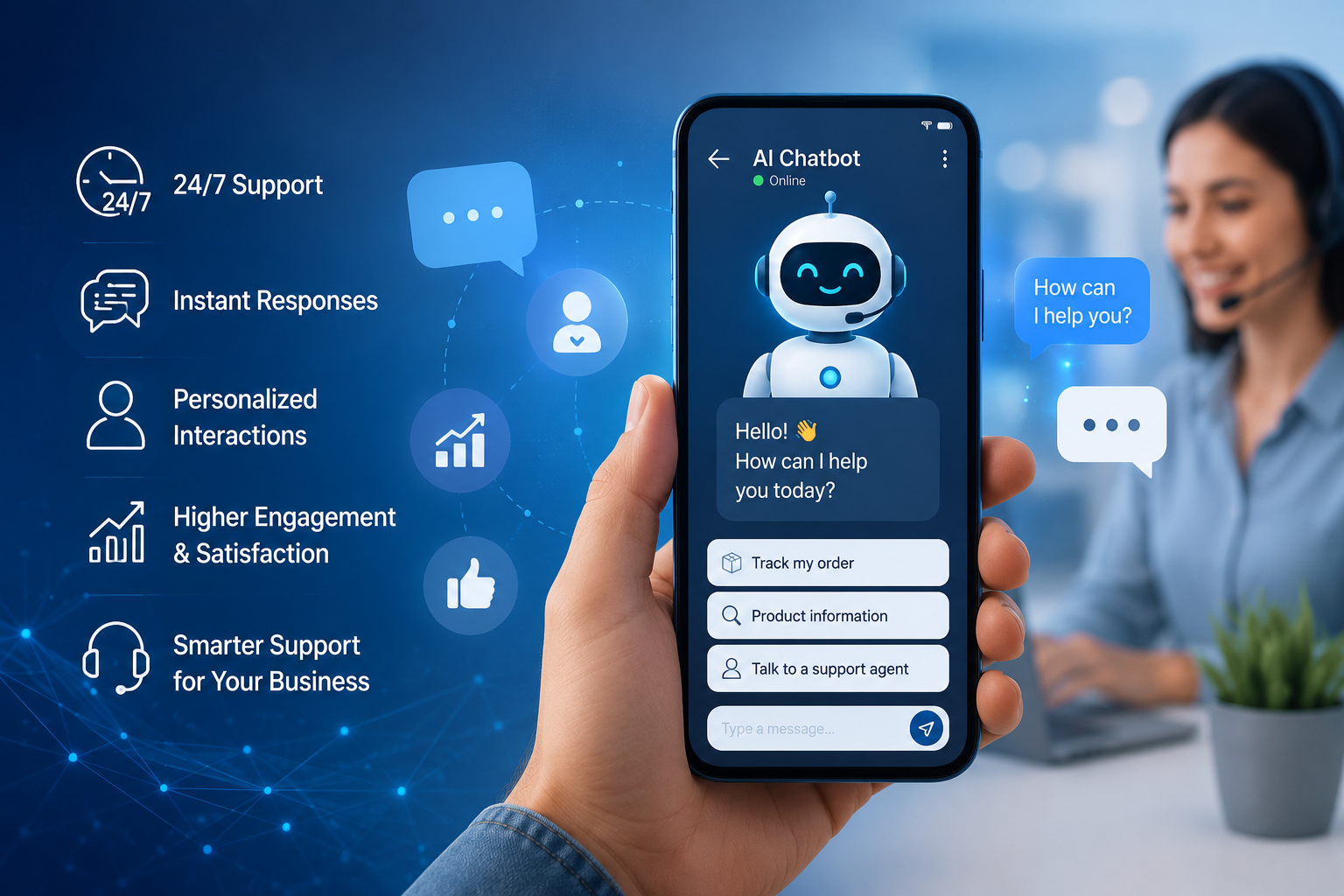
Customer expectations have changed. People expect quick responses at any time of day.
AI-powered chatbots can:
-
Answer frequently asked questions
-
Handle customer inquiries
-
Track orders
-
Schedule appointments
-
Collect customer information
-
Provide 24/7 support
This improves customer satisfaction while reducing the workload on support teams.
2. Improving Marketing Campaigns
AI is transforming digital marketing by helping businesses deliver personalized experiences.
AI marketing tools can:
-
Analyze customer behavior
-
Create targeted campaigns
-
Recommend products
-
Optimize email marketing
-
Schedule social media posts
-
Generate marketing insights
This leads to higher engagement and improved return on investment (ROI).
3. Smarter Sales Management
Sales teams can use AI to identify potential customers and prioritize leads.
AI assists with:
-
Lead scoring
-
Customer segmentation
-
Sales forecasting
-
Automated follow-ups
-
CRM updates
-
Personalized recommendations
Sales representatives spend less time on administrative work and more time closing deals.
4. Streamlining Administrative Tasks
Many routine office tasks consume valuable time.
AI automation can handle:
-
Invoice generation
-
Appointment scheduling
-
Payroll processing
-
Document management
-
Data entry
-
Report generation
Automating these activities reduces errors and increases productivity.
5. Better Financial Management
AI-powered accounting tools help businesses monitor financial performance more effectively.
They can:
-
Track expenses
-
Generate invoices
-
Predict cash flow
-
Detect unusual transactions
-
Prepare financial reports
-
Simplify bookkeeping
This enables business owners to make informed financial decisions.
6. Inventory and Supply Chain Optimization
Retailers and manufacturers benefit greatly from AI-driven inventory management.
AI systems can:
-
Forecast demand
-
Monitor stock levels
-
Automate reordering
-
Reduce overstocking
-
Prevent stock shortages
Accurate inventory management improves customer satisfaction while reducing operational costs.
7. Personalized Customer Experiences
AI helps businesses understand customer preferences and behavior.
This allows businesses to:
-
Recommend relevant products
-
Personalize website content
-
Customize email campaigns
-
Improve customer engagement
-
Increase repeat purchases
Personalization strengthens customer relationships and boosts sales.
8. Smarter Decision-Making Through Data Analytics
Small businesses generate valuable data every day.
AI analytics tools can:
-
Identify trends
-
Measure business performance
-
Predict future demand
-
Monitor customer behavior
-
Analyze competitor performance
Business owners gain actionable insights that support strategic decision-making.
9. Enhancing Cybersecurity
Cybersecurity threats continue to evolve, making AI an essential tool for protecting business data.
AI can:
-
Detect suspicious activity
-
Monitor network traffic
-
Identify security vulnerabilities
-
Prevent fraud
-
Respond to threats in real time
This helps businesses reduce cybersecurity risks and protect sensitive information.
10. Supporting Human Resources
HR departments can use AI to streamline recruitment and employee management.
AI assists with:
-
Resume screening
-
Interview scheduling
-
Employee onboarding
-
Performance tracking
-
Training recommendations
Recruiters save time while improving the hiring process.
Industries Benefiting from AI Automation
AI automation is transforming businesses across many industries, including:
-
Retail
-
Healthcare
-
Education
-
Manufacturing
-
Real Estate
-
Hospitality
-
Finance
-
E-commerce
-
Logistics
-
Professional Services
Regardless of industry, AI offers opportunities to improve efficiency and customer satisfaction.
Challenges of AI Automation
While AI offers significant benefits, businesses should also consider potential challenges.
Common challenges include:
-
Initial implementation costs
-
Employee training
-
Data privacy concerns
-
Integration with existing systems
-
Choosing the right AI tools
Proper planning and gradual implementation can help overcome these obstacles.
How to Implement AI Automation Successfully
To get the best results:
-
Identify repetitive tasks suitable for automation.
-
Define clear business goals.
-
Choose reliable AI software.
-
Train employees to use AI tools effectively.
-
Monitor performance and optimize workflows.
-
Continuously evaluate new AI technologies.
Starting with small automation projects allows businesses to gain experience before expanding AI adoption.
Future of AI Automation for Small Businesses
The future of AI automation looks incredibly promising. Advances in machine learning, generative AI, predictive analytics, and intelligent business software will make AI even more accessible and affordable.
Future trends include:
-
AI-powered virtual assistants
-
Intelligent business analytics
-
Automated workflow management
-
Hyper-personalized customer experiences
-
Voice-based business automation
-
AI-driven decision support systems
Businesses that embrace these innovations will be better prepared for long-term growth and success.
Best Practices for Using AI Responsibly
To maximize the benefits of AI:
-
Use AI to assist employees, not replace human creativity.
-
Protect customer data with strong security measures.
-
Be transparent about AI-driven interactions.
-
Regularly review AI performance.
-
Stay informed about evolving AI regulations and ethical practices.
Responsible AI adoption builds customer trust and ensures sustainable growth.
Conclusion
AI automation is transforming small businesses in 2026 by making operations more efficient, reducing costs, improving customer experiences, and enabling smarter decision-making. From customer support and marketing to inventory management and financial planning, AI-powered solutions help businesses achieve more with fewer resources.
For small business owners, adopting AI is no longer a luxury—it is becoming a competitive necessity. By implementing the right AI tools, investing in employee training, and focusing on responsible automation, businesses can improve productivity, drive innovation, and position themselves for long-term success in an increasingly digital world.