Table of Contents
- Why Every Business Needs a Custom CRM Instead of Spreadsheets
- Introduction
- What Is a Custom CRM?
- The Limitations of Using Spreadsheets
- 1. Centralized Customer Information
- 2. Improved Sales Management
- 3. Better Customer Service
- 4. Workflow Automation
- 5. Increased Team Collaboration
- 6. Enhanced Data Security
- 7. Real-Time Reporting and Analytics
- 8. Better Lead Management
- 9. Scales with Your Business
- 10. Custom Features for Your Business
- CRM vs. Spreadsheets
- Industries That Benefit from Custom CRM
- Integrations That Improve Productivity
- Common Mistakes Businesses Make
- How to Choose the Right Custom CRM
- Future of CRM Systems
- Conclusion
Why Every Business Needs a Custom CRM Instead of Spreadsheets
Introduction
For years, spreadsheets have been the go-to solution for managing customer information, tracking sales, and organizing business data. While tools like Microsoft Excel and Google Sheets are useful for basic record-keeping, they quickly become inefficient as a business grows. Manual updates, duplicate entries, version control issues, and limited collaboration can lead to errors that impact productivity and customer satisfaction.
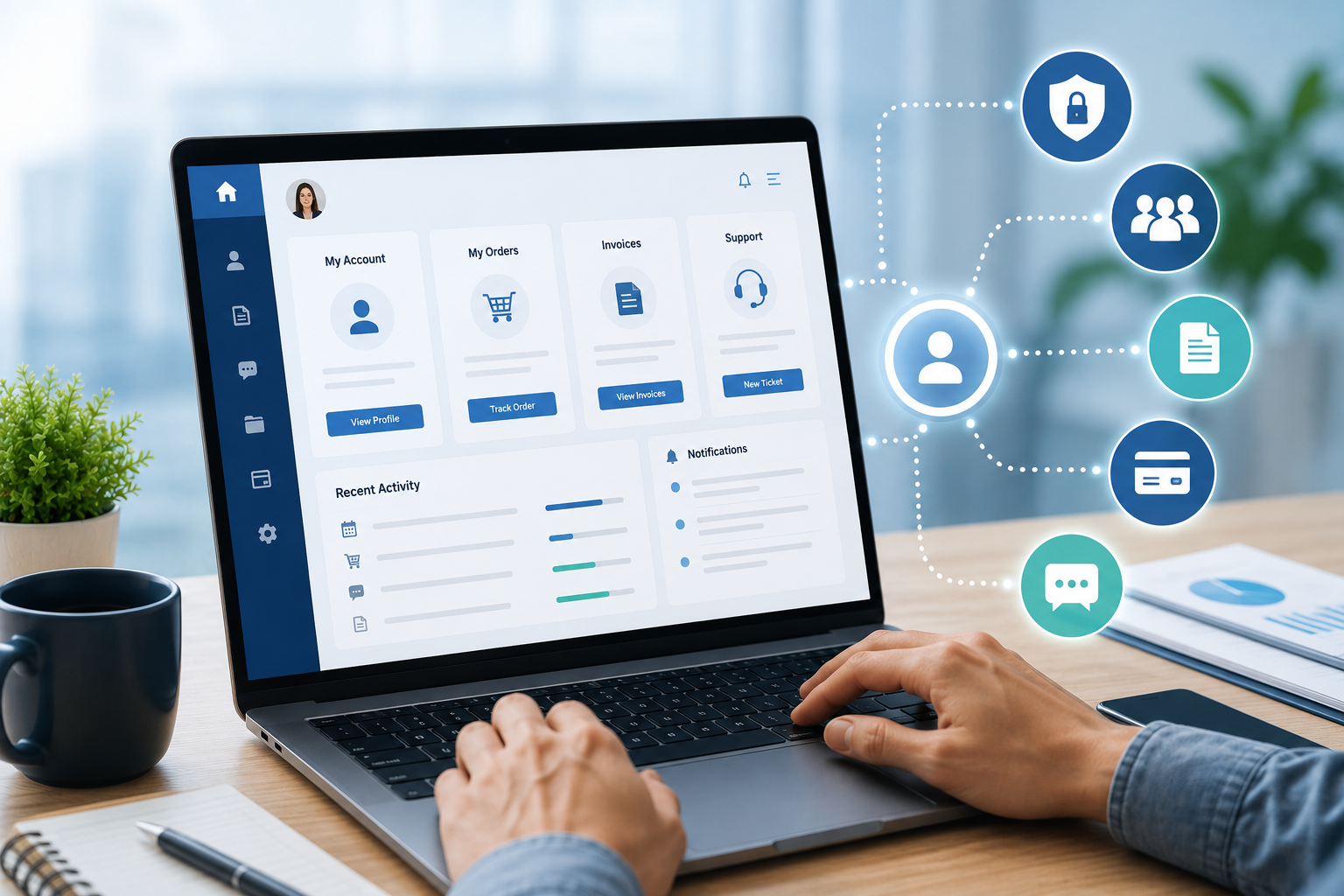
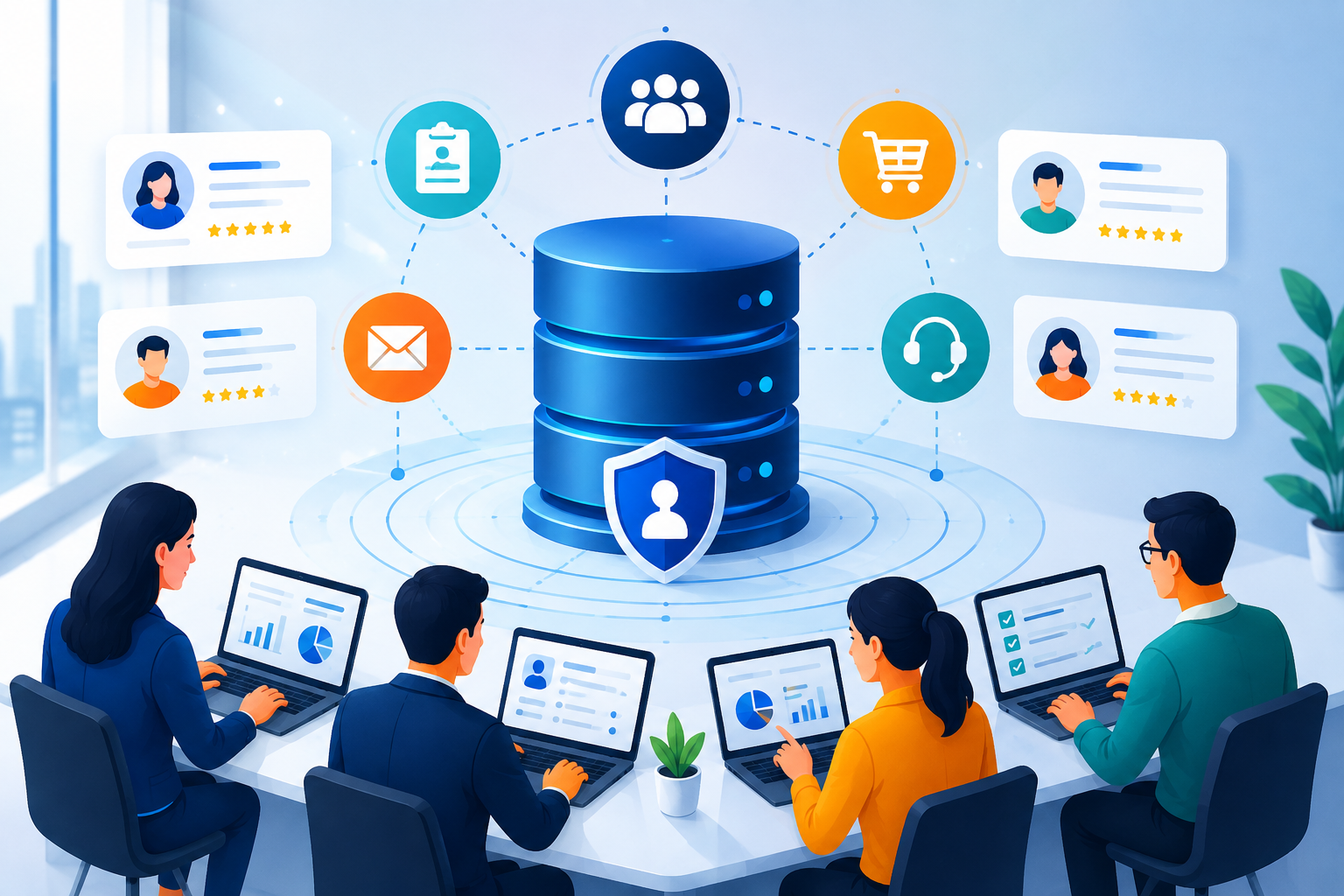
In today's competitive business environment, companies need smarter ways to manage customer relationships and business operations. A Custom Customer Relationship Management (CRM) system is designed specifically to meet your business needs, helping you automate processes, centralize customer data, improve team collaboration, and deliver exceptional customer experiences.
In this article, we'll explore why every business should move beyond spreadsheets and invest in a custom CRM solution.
What Is a Custom CRM?
A Custom CRM (Customer Relationship Management) system is software specifically designed to manage customer interactions, sales processes, marketing activities, and support operations based on your company's unique requirements.
Unlike generic CRM platforms, a custom CRM includes only the features your business needs, making it more efficient, scalable, and user-friendly.
Common CRM features include:
-
Customer database
-
Lead management
-
Sales tracking
-
Task management
-
Customer communication history
-
Reporting and analytics
-
Workflow automation
-
Document management
The Limitations of Using Spreadsheets
Spreadsheets work well for small amounts of data, but they become difficult to manage as your business expands.
Common problems include:
-
Duplicate data
-
Human errors
-
Lack of automation
-
Poor collaboration
-
No customer interaction history
-
Difficult reporting
-
Security risks
-
Limited scalability
These challenges can slow business growth and reduce productivity.
1. Centralized Customer Information
With spreadsheets, customer data is often stored across multiple files and departments.
A custom CRM stores everything in one secure location, including:
-
Contact details
-
Purchase history
-
Communication records
-
Support requests
-
Invoices
-
Sales activities
Having a centralized database ensures every team member has access to accurate, up-to-date information.
2. Improved Sales Management
Sales teams need real-time visibility into every opportunity.
A custom CRM helps businesses:
-
Track leads
-
Monitor sales pipelines
-
Schedule follow-ups
-
Record customer interactions
-
Set reminders
-
Measure sales performance
This improves conversion rates and reduces missed opportunities.
3. Better Customer Service
Excellent customer service depends on quick access to customer information.
With a CRM, support teams can instantly view:
-
Previous conversations
-
Service history
-
Purchase records
-
Open support tickets
-
Customer preferences
This enables faster resolutions and more personalized support.
4. Workflow Automation
One of the biggest advantages of a custom CRM is automation.
Businesses can automate tasks such as:
-
Lead assignments
-
Follow-up emails
-
Appointment reminders
-
Invoice generation
-
Status updates
-
Customer notifications
Automation reduces manual work and improves efficiency.
5. Increased Team Collaboration
Departments often struggle when information is scattered across spreadsheets.
A CRM allows teams to collaborate by sharing:
-
Customer records
-
Sales notes
-
Project updates
-
Tasks
-
Documents
-
Activity logs
Everyone stays informed without searching through multiple files.
6. Enhanced Data Security
Business data is valuable and must be protected.
Custom CRM systems provide:
-
User authentication
-
Role-based access
-
Data encryption
-
Secure backups
-
Activity tracking
-
Permission management
Compared to spreadsheets, CRMs offer much stronger security controls.
7. Real-Time Reporting and Analytics
Creating reports manually from spreadsheets can be time-consuming.
A CRM automatically generates reports on:
-
Sales performance
-
Revenue
-
Customer acquisition
-
Lead conversion
-
Employee productivity
-
Customer retention
Real-time dashboards help business owners make informed decisions quickly.
8. Better Lead Management
Managing leads manually often results in missed opportunities.
A CRM allows businesses to:
-
Capture leads automatically
-
Assign leads to sales representatives
-
Track lead status
-
Score potential customers
-
Schedule follow-ups
This creates a more organized sales process.
9. Scales with Your Business
As your business grows, spreadsheets become increasingly difficult to maintain.
A custom CRM can easily expand by adding:
-
New users
-
Additional modules
-
Business processes
-
Integrations
-
Advanced reporting
It grows alongside your organization without disrupting operations.
10. Custom Features for Your Business
Every business operates differently.
Unlike off-the-shelf CRM software, a custom CRM can include:
-
Industry-specific workflows
-
Custom dashboards
-
Approval processes
-
Inventory management
-
ERP integration
-
HR modules
-
Finance modules
-
Project management tools
You only pay for the features your business actually needs.
CRM vs. Spreadsheets
| Feature | Spreadsheets | Custom CRM |
|---|---|---|
| Customer Database | Basic | Centralized & Organized |
| Automation | ❌ | ✔ |
| Team Collaboration | Limited | Real-Time |
| Data Security | Basic | Advanced |
| Reporting | Manual | Automated |
| Lead Tracking | Difficult | Efficient |
| Customer History | Limited | Complete |
| Scalability | Poor | Excellent |
Industries That Benefit from Custom CRM
Custom CRM solutions are valuable across many industries, including:
-
Healthcare
-
Real Estate
-
Manufacturing
-
Retail
-
E-commerce
-
Education
-
Finance
-
IT Services
-
Logistics
-
Hospitality
Any business managing customers can benefit from a CRM.
Integrations That Improve Productivity
A custom CRM can integrate with:
-
Email platforms
-
Accounting software
-
ERP systems
-
Payment gateways
-
WhatsApp Business
-
SMS services
-
Marketing automation tools
-
Inventory systems
-
Customer support software
These integrations eliminate repetitive work and improve operational efficiency.
Common Mistakes Businesses Make
Avoid these common mistakes:
-
Relying on spreadsheets for long-term growth
-
Not backing up customer data
-
Using multiple disconnected tools
-
Ignoring automation opportunities
-
Delaying CRM implementation
-
Choosing software that doesn't fit business needs
Addressing these issues early can save time and money.
How to Choose the Right Custom CRM
Before developing or purchasing a CRM, consider:
-
Your business size
-
Industry requirements
-
Workflow complexity
-
Budget
-
Integration needs
-
User experience
-
Scalability
-
Security requirements
Working with an experienced software development company ensures the CRM is tailored to your goals.
Future of CRM Systems
Modern CRM platforms are evolving rapidly with technologies such as:
-
Artificial Intelligence (AI)
-
Machine Learning
-
Predictive Analytics
-
Chatbots
-
Workflow Automation
-
Voice Assistants
-
Mobile CRM Applications
These innovations enable businesses to build stronger customer relationships while increasing efficiency.
Conclusion
While spreadsheets may be sufficient for small-scale data management, they cannot support the growing demands of modern businesses. A custom CRM provides centralized customer information, automated workflows, improved collaboration, enhanced security, and valuable business insights that help organizations grow more efficiently.
Investing in a custom CRM is not just about replacing spreadsheets—it's about creating a smarter, more organized, and customer-focused business. By adopting a CRM tailored to your unique processes, you can improve productivity, strengthen customer relationships, and position your business for long-term success in an increasingly competitive marketplace.